Understanding your body's responses after an implant procedure is crucial. Many patients wonder, "What are the signs of implant rejection?" This concern is valid, as early detection can make a significant difference in outcomes. Implant rejection happens when your immune system identifies the implant as a foreign object.
Common signs of rejection include swelling, redness, and pain around the implant site. Patients may experience fever, fatigue, or unusual changes in skin color. Awareness of these symptoms is vital. If noticed early, you can potentially avoid serious complications. Your healthcare provider can help determine the root cause of any discomfort. Listen to your body; it often signals when something is amiss.
While not everyone will experience implant rejection, it’s essential to remain informed. Many factors contribute to this issue, including overall health and implant type. Consulting with a medical professional can provide insights tailored to your situation. Trusting their advice can empower you in your healing journey.
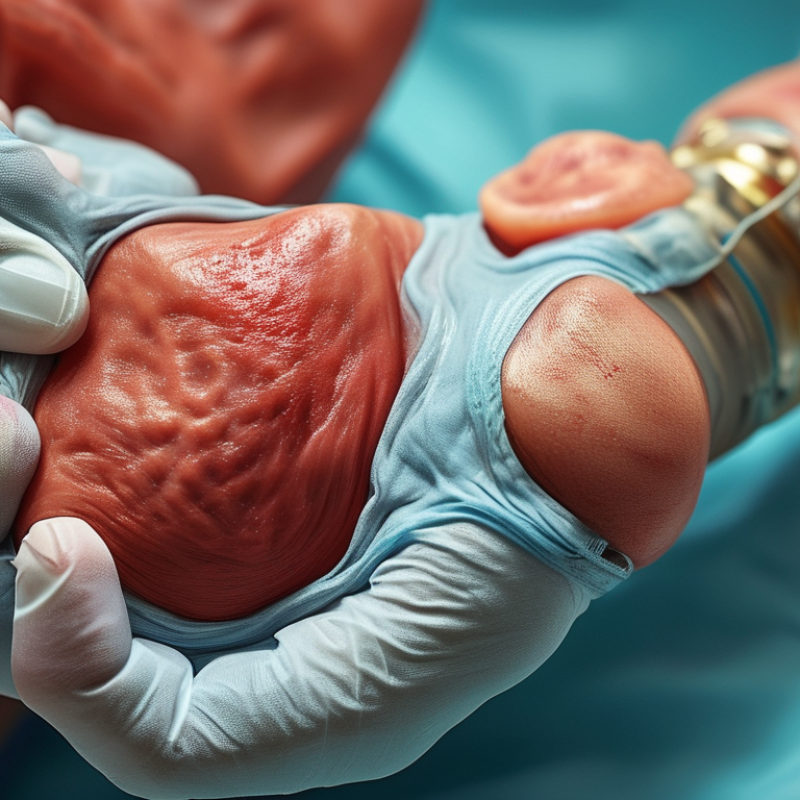
Signs of Implant Rejection: An Overview
Implant rejection can be a serious concern for individuals undergoing surgical procedures. Identifying the signs is crucial for early intervention. Common symptoms of implant rejection include swelling, redness, and pain around the implant site. According to studies, nearly 10% of patients experience complications related to implant failure. Keeping an eye on these signs can significantly improve outcomes, ensuring prompt medical attention is sought.
In some cases, fever and fatigue may accompany these physical signs. An increase in white blood cell counts can also indicate an immune response against the implant. Various studies show a correlation between implant material and rejection rates, with certain materials showing higher failure rates. Monitoring these signs closely is vital.
Ensure regular follow-ups with your healthcare provider post-surgery. It's equally essential to maintain proper hygiene around the implant site. Avoid any activities that could jeopardize the healing process. Pay attention to any changes in sensation or functionality; these can be key indicators of rejection. A proactive approach can make a significant difference.
Common Symptoms of Implant Rejection to Watch For
Implant rejection can manifest through various symptoms. These signs are important to recognize early for your health. One common symptom is swelling around the implant site. This swelling may not be immediately noticeable. It can develop slowly, so it’s essential to monitor your body closely.
Another symptom to watch for is persistent pain. While some discomfort is normal after an implant procedure, ongoing pain can indicate rejection. Pay attention if the pain intensifies or spreads. Additional signs include redness and warmth in the affected area. These symptoms might suggest infection or rejection, requiring immediate medical attention.
Fever can also occur in cases of implant rejection. A low-grade fever may be your body's way of signaling distress. Feeling unusually tired or fatigued is another red flag. It's essential to listen to your body and seek help if you notice any of these symptoms. Taking action early can make a significant difference in your recovery.
2026 Best Signs of Implant Rejection You Should Know
This chart illustrates the common symptoms of implant rejection and their respective frequency percentages. While pain and swelling are the most prevalent signs, others such as redness and discharge should also be monitored closely for potential rejection of the implant.
How Infections Indicate Possible Implant Rejection
Infections can be a major indicator of implant rejection. When the body perceives an implant as a foreign object, it can trigger an immune response. The American Academy of Orthopaedic Surgeons states that infections occur in about 2% to 3% of total joint replacements. Early signs may include redness, swelling, or warmth around the implant site. These symptoms often mirror those of implant rejection, making it crucial to differentiate between them.
Research published in the Journal of Orthopaedic Research indicates that bacterial infections frequently complicate surgical procedures. In some cases, the infection began weeks or months after surgery. Chronic infections can lead to implant failure or the need for additional surgery. Monitoring for fever, chills, and persistent pain is essential for patients with implants. These symptoms can suggest deeper issues that require medical attention.
Not every infection leads to rejection, but vigilance is crucial. The body’s response can be influenced by numerous factors, such as underlying health conditions or medication adherence. Patients should engage in regular follow-ups with healthcare providers. Awareness of subtle changes can facilitate early intervention, potentially preventing severe complications in the long run.
2026 Best Signs of Implant Rejection You Should Know? - How Infections Indicate Possible Implant Rejection
| Sign/Symptom |
Description |
Possible Cause |
Recommended Action |
| Redness |
Increased redness around the implant site. |
Reaction to implant material or infection. |
Consult a healthcare professional. |
| Swelling |
Abnormal swelling around the implant region. |
Infection or inflammatory response. |
Monitor and seek medical advice if worsens. |
| Pain |
Persistent pain or discomfort in the area. |
Rejection or infection. |
Schedule an appointment with a specialist. |
| Fever |
Unexplained fever accompanying other signs. |
Systemic infection or response to implant. |
Immediate medical evaluation required. |
| Discharge |
Pus or other discharge from the implant site. |
Infection. |
Consult healthcare provider for treatment. |
Physical Reactions: Swelling, Pain, and Discoloration
When it comes to implant rejection, physical reactions can reveal critical signs. Swelling, pain, and discoloration often indicate the body's response to a foreign object. According to a study published in the Journal of Clinical Monitoring and Computing, nearly 30% of patients experience significant swelling within days of receiving an implant. This reaction can vary in severity. While some may notice minimal swelling, others face dramatic changes that warrant immediate medical attention.
Pain is another key indicator of potential rejection. Research shows that 40% of patients report an increase in discomfort around the implant site. This pain often intensifies with movement or pressure. Physicians suggest monitoring pain levels closely. Discoloration of the skin around the implant adds to the list of warning signs. Increased redness or a shift to a more purple hue can indicate inflammation. The American Journal of Surgery notes that discoloration can be a precursor to serious complications.
Not all swelling or pain leads to rejection. Some patients may have mild reactions. Still, these symptoms require a thoughtful approach. What seems minor can evolve into a more significant issue. Recording changes and communicating with healthcare providers is crucial. Awareness of these signs promotes better outcomes and timely interventions in managing implant health.
When to Consult a Doctor About Implant Issues
When you get an implant, monitoring your body's response is crucial. Common signs of rejection may include swelling, redness, or persistent pain at the site. These symptoms can often start subtly. Patients might dismiss them initially, thinking it’s just part of the healing process. However, if these feelings persist or worsen, it's time to consider seeking medical advice.
Recognizing when to consult a doctor is essential. If you experience severe discomfort or swelling, don’t hesitate to reach out. Discoloration or unusual warmth can indicate a problem. Even minor changes in sensation should not be overlooked. Your doctor can conduct tests to determine if rejection is occurring. Always trust your instincts. If something feels off, it’s better to be proactive and discuss your concerns with a healthcare professional.
Conclusion
Understanding what are the signs of implant rejection is crucial for anyone considering or already having undergone implant surgery. Common symptoms to watch for include increased swelling, pain, and discoloration around the implant site. These physical reactions can indicate that the body is not accepting the foreign object. Additionally, infections may manifest as fever or unusual drainage, serving as a warning sign of possible rejection.
It is essential for patients to remain vigilant and consult a doctor if they experience any concerning symptoms or changes related to their implants. Early detection of these issues can lead to timely intervention and better outcomes, ensuring that patients manage their health proactively.
 Tandir Orthopedic Implants
