Tandir Orthopedic Implants
Orthopedic implants are common solutions for joint problems. They help many regain mobility and reduce pain. However, a significant concern arises: can your body reject orthopedic implants? This issue can lead to complications and unwanted outcomes. Understanding the body's response to foreign materials is essential for anyone considering these surgeries.
Some patients experience adverse reactions. This can result from allergenic materials or infection risks. The body’s immune response varies from person to person. Factors like age, health status, and pre-existing conditions play a role. This variability can sometimes lead to implant failure. Some may find themselves reflecting on their choices after surgery.
To prevent rejection, choosing the right implant is crucial. Surgeons often rely on their expertise to recommend suitable materials. Patients should ask questions about the implant's composition and potential risks. Educating oneself about postoperative care is equally important. Each body is unique; not every solution works the same for everyone. Engaging in open discussions with healthcare providers can lead to better outcomes.
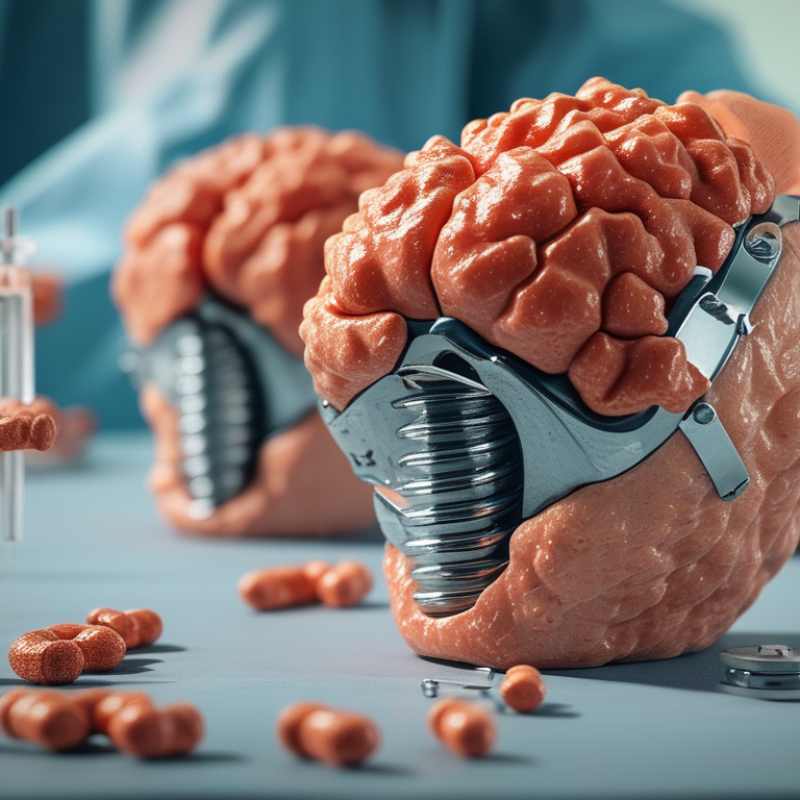
Orthopedic implants are medical devices used to support damaged bones or joints. They can be made from materials like metal, plastic, or ceramics. However, some bodies may reject these implants. Understanding the mechanisms behind this rejection is crucial for improving outcomes.
The immune system plays a vital role in how the body interacts with foreign materials. When an implant is introduced, the body may identify it as a threat. Immune responses may lead to inflammation, pain, or even implant failure. This rejection process can vary greatly among patients. Factors like the type of implant, individual health, and even genetic makeup can influence reactions.
Preventing rejection involves careful planning and monitoring. Surgeons often assess a patient’s health history and allergies before surgery. Post-operative care is equally vital. Regular check-ups can help detect early signs of rejection. Staying informed about how your body responds is essential. Understanding individual risks can lead to better choices concerning implants. This proactive approach is crucial for long-term success. However, not all outcomes are ideal, and every case requires thorough evaluation and reflection.
The prevalence of orthopedic implant rejection is a significant concern in the medical community. Studies suggest that a small percentage of patients experience rejection symptoms. These symptoms may include pain at the implant site, swelling, and reduced mobility. It's crucial for patients to recognize these signs early to prevent complications.
In some cases, rejection is the result of the immune system responding to the foreign material. Biological variations among individuals play a role in how the body reacts to implants. Factors such as pre-existing allergies, autoimmune disorders, and genetics can influence the likelihood of rejection. More awareness is needed on this issue.
Consider these strategies to minimize rejection risk. Regular follow-ups with your orthopedic surgeon can help. They will monitor the healing process and identify any issues. Maintaining a healthy lifestyle, including proper nutrition and exercise, is also beneficial. These practices support overall health and possibly enhance recovery. Listening to your body is vital. If something feels off, do not hesitate to seek medical advice.
| Demographic Group | Percentage of Implant Rejection | Common Symptoms of Rejection | Preventive Measures |
|---|---|---|---|
| Adults (Age 30-50) | 5% | Pain, Swelling, Redness | Monitor for allergic reactions |
| Seniors (Age 51-70) | 10% | Increased warmth, Discomfort | Use hypoallergenic materials |
| Obese Individuals | 15% | Chronic pain, Fatigue | Weight management, Regular check-ups |
| Individuals with Autoimmune Diseases | 20% | Inflammation, Allergic response | Consult with specialist, Tailored material selection |
| Smokers | 12% | Poor healing, Increased pain | Smoking cessation programs |
Orthopedic implants play a vital role in restoring mobility. However, rejection can occur due to various factors. Understanding these factors is crucial for successful recovery after surgery.
One major contributor to implant rejection is allergic reactions. Some patients may be sensitive to the materials used in the implants. Common materials include titanium and stainless steel. If a person has a history of metal allergies, it’s essential to discuss this with the surgeon before surgery. Another factor is infection during or after surgery. Bacteria can enter the body, leading to inflammation and rejection. Proper sterile techniques are crucial during the procedure.
To minimize the risk of rejection, patients should maintain good overall health. A balanced diet rich in vitamins and minerals supports healing. Staying hydrated helps reduce inflammation. Regular check-ups with healthcare providers can catch any issues early on. Patients should also follow post-operative care instructions closely to prevent complications.
Emotional health can also impact recovery. Stress may hinder the healing process. Engaging in relaxation techniques can be beneficial. Listening to your body is important; if something feels wrong, reaching out to a healthcare professional can prevent more significant issues down the line.
When considering orthopedic implants, it’s crucial to understand the risks of rejection. While rejection is rare, certain factors can increase the likelihood. To minimize these risks, patients may implement various preventative strategies before and after surgery.
Maintaining a healthy lifestyle is fundamental. A balanced diet rich in vitamins and minerals can strengthen the immune system. Regular exercise helps boost circulation, promoting quicker healing. Avoiding smoking and excessive alcohol consumption also plays a significant role in preventing complications.
User education is paramount. Discussing concerns with surgeons can clarify expectations and improve outcomes. Knowing the signs of rejection or infection allows for prompt action. Emotional well-being is equally important; stress management techniques can reduce anxiety about surgery and recovery.
After surgery, following post-operative care guidelines is essential. Keeping the surgical site clean reduces infection risk. Attending all follow-up appointments ensures proper healing and monitoring for any issues. Remember, every individual's body reacts differently. Always remain vigilant and proactive about your health.
Orthopedic implants play a crucial role in enhancing joint function and mobility. However, biocompatibility is vital in ensuring these implants integrate well with the body. Industry standards have evolved, focusing on materials that minimize rejection. Innovations include ceramics and polymers designed to mimic bone properties, promoting harmony in the body.
Regular monitoring of implant sites is essential. It helps detect potential rejection early. Identifying swelling or discomfort can guide prompt intervention. Engaging with healthcare professionals about symptoms can provide valuable insight.
Considering lifestyle factors is significant. A balanced diet and regular exercise can enhance overall health and support healing. Seeking advice from specialists before surgeries may lead to better material choices. Personal experiences shared in support groups can also offer practical tips.
: Common symptoms include pain at the implant site, swelling, and reduced mobility.
Allergies to materials, infections, and pre-existing health conditions can increase rejection risk.
Regular follow-ups with surgeons and maintaining a healthy lifestyle can help minimize risks.
Allergic reactions to implant materials can lead to rejection, especially in sensitive individuals.
Stress can hinder healing. Engaging in relaxation techniques may enhance recovery.
Regular check-ups can catch issues early, preventing complications related to rejection.
Biocompatible materials minimize rejection and help implants integrate better with the body.
A balanced diet rich in vitamins and minerals supports healing and reduces inflammation.
Patients should listen to their bodies and seek medical advice if something feels wrong.
Sharing experiences in support groups can provide practical tips and emotional support during recovery.
In the discussion of orthopedic implants, a key question arises: "Can your body reject orthopedic implants?" Understanding the mechanisms of body rejection is crucial, as it affects a significant portion of the population undergoing such procedures. Factors contributing to implant rejection include individual immune responses, implant materials, and surgical techniques.
To mitigate these risks, various preventative strategies can be employed, such as selecting biocompatible materials and following industry standards. Innovations in the field continue to enhance the compatibility of implants with human tissue, ultimately aiming to improve patient outcomes and reduce the likelihood of rejection. By addressing these factors, healthcare professionals can better support patients in their recovery and long-term success with orthopedic implants.
