Tandir Orthopedic Implants
After orthopedic implant surgery, many patients often wonder, "What can you not do after orthopedic implant surgery?" Dr. Sarah Thompson, an orthopedic surgeon with over a decade of experience, emphasizes, "Following surgery, it's critical to understand your limitations to ensure proper healing." Understanding these restrictions not only supports recovery but also prevents complications.
Post-surgery, specific activities remain off-limits. High-impact sports and heavy lifting can strain the implanted area, risking damage or dislodgment. Moreover, ignoring your body’s need for rest and rehabilitation can lead to long-term issues. Overexertion in the early stages may slow healing and increase discomfort.
Patients are often surprised by the simple actions that can pose risks, such as twisting movements or climbing stairs too soon. Communication with healthcare providers is essential. They can provide guidance tailored to individual recovery. Reflecting on post-operative care means recognizing the balance between activity and rest. Each patient's journey is unique, and understanding limitations is vital for lasting success.
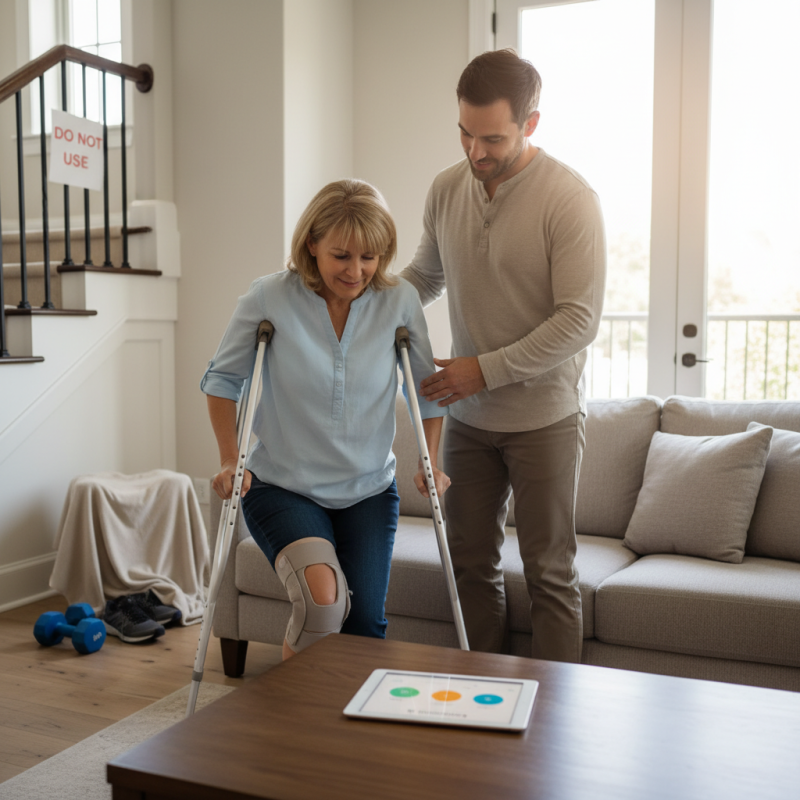
After orthopedic implant surgery, following specific restrictions is crucial for a successful recovery. Patients often feel eager to return to their normal activities. However, ignoring these limitations can lead to complications. It's essential to understand why you should avoid certain actions during the healing process.
Weight-bearing activities are usually restricted. Patients may be tempted to put weight on the affected limb. This can compromise the implant’s stability and prolong recovery time. Make sure to use crutches or a walker as advised. Being honest with yourself about your limitations is vital.
Engaging in high-impact exercises is another restriction you'll need to consider. Activities like running or jumping should be avoided initially. They can place undue stress on your implant, potentially causing damage. Gradual reintroduction to physical activity is important. Listen to your body, and consult with your healthcare provider before making changes.
Finally, remember to refrain from driving until your doctor says it's safe. This not only prevents accidents but also ensures you aren’t risking further injury. Accepting these guidelines may feel frustrating, but they are in place to support your healing journey. Embrace this time for rest and rehabilitation.
After orthopedic implant surgery, the healing journey begins. One of the most critical aspects is to avoid weight bearing on the affected limb. This limitation is essential for the initial healing period, which can vary from a few weeks to several months. During this time, putting pressure on the implant can hinder recovery and lead to complications.
It's important to understand your body's signals. If the affected limb feels uncomfortable or painful, it's a sign to rest. Utilize mobility aids like crutches or walkers during this phase. These tools can help maintain independence while ensuring proper healing. Many people forget this advice and accidentally put weight on their limbs too soon, risking their recovery.
Additionally, engage in physical therapy once cleared by your doctor. Rehabilitation is essential for regaining strength and mobility. However, remember the importance of gradual progression. Rushing into weight-bearing activities can lead to setbacks. Take it slow and prioritize your recovery to ensure better outcomes. Listen to your medical team for the best practices tailored to your specific situation.
Orthopedic implant surgery marks a significant step towards recovery. However, patients must be cautious during the healing process. Refraining from high-impact activities and sports is crucial to ensure long-term success. Engaging in such activities too soon can lead to complications, including implant failure and increased pain.
It's essential to listen to your body. If you experience discomfort, take it seriously. Even simple movements can strain your recovery. Embrace low-impact exercises like walking or swimming instead. These activities promote circulation without jeopardizing your healing process.
Nutrition plays a key role as well. Consuming a balanced diet aids in tissue repair. Focus on foods rich in protein and calcium to support bone health. Hydration should not be overlooked; drink plenty of water daily. Remember, every decision impacts your recovery journey. While it may be tempting to rush back into action, patience will pave the way for a stronger future.
After orthopedic implant surgery, keeping the surgical site clean and dry is crucial. This helps minimize the risk of infection, which can lead to severe complications. According to the Centers for Disease Control and Prevention (CDC), surgical site infections (SSIs) affect 2-5% of patients undergoing orthopedic procedures. These infections can prolong recovery and require additional treatments. Maintaining a sterile environment is essential during the initial healing phase.
Patients should avoid touching the incision site and refrain from removing dressings too early. Moisture can provide an ideal environment for harmful bacteria. The American Academy of Orthopaedic Surgeons recommends keeping the area dry for at least two weeks post-surgery. Showering with the incision protected is vital, but submerging in baths or pools should be avoided. Some patients might struggle to adhere to these guidelines due to the discomfort of dressings or the desire for quicker recovery.
Regular follow-ups with healthcare providers are essential. These visits can help monitor the healing process and catch any early signs of infection. Early detection is key. Data show that prompt intervention can reduce the severity of infections significantly. The importance of cleanliness cannot be overstated, as it directly influences long-term outcomes and overall patient satisfaction.
After orthopedic implant surgery, it is crucial to limit sudden movements. Rapid motions can disturb the healing process. According to the American Academy of Orthopaedic Surgeons, adhering to precautionary measures significantly enhances recovery. Stability plays a key role in healing bones and tissues.
Post-surgery, patients may feel tempted to resume normal activities too quickly. However, sudden movements can lead to complications. A study published in the Journal of Bone and Joint Surgery found that patients who maintained a controlled movement regimen had a 30% lower risk of post-operative issues. It emphasizes that unexpected twists or jerks could jeopardize surgical success.
Listening to your body is essential during recovery. Pain should be considered a signal. Many patients overlook this and push through discomfort. This mindset can hinder the healing process. A thoughtful approach to movement, rather than rushing back to activity, is advised. Ensuring a gradual return to motion fosters stability and strengthens recovery.
: They are crucial for successful recovery and prevent complications.
Avoid weight-bearing activities and high-impact exercises like running or jumping.
No, you should wait for your doctor's approval to drive safely.
Use crutches or walkers, listen to your body, and follow guidelines closely.
Engage in low-impact exercises, such as walking or swimming, instead of high-impact ones.
A balanced diet rich in protein and calcium supports tissue repair and bone health.
Keep it clean and dry to minimize infection risk; avoid touching the area.
Take discomfort seriously and limit activity; consult your healthcare provider if needed.
Keep the area dry for at least two weeks post-surgery to prevent infections.
They help monitor healing and catch any early signs of infection, ensuring better outcomes.
After orthopedic implant surgery, it is crucial to understand the post-surgery restrictions to facilitate proper recovery. One major aspect to consider is what can you not do after orthopedic implant surgery. Patients are advised to avoid bearing weight on the affected limb during the initial healing period, which is vital for a successful recovery. Engaging in high-impact activities or sports should also be avoided to prevent complications that could arise from undue stress on the surgical site.
Furthermore, maintaining cleanliness at the surgical site is essential to minimize the risk of infection; thus, keeping the area clean and dry is recommended. Additionally, limiting sudden movements can support recovery and enhance stability, reducing the likelihood of setbacks during the healing process. Adhering to these guidelines will significantly improve outcomes and ensure a smoother rehabilitation journey.
