Tandir Orthopedic Implants
After orthopedic surgery, many patients find themselves grappling with a frustrating question: "Why do I still have pain after orthopedic surgery?" This inquiry can evoke feelings of confusion and concern. Post-surgical pain can linger longer than expected, leaving individuals to wonder about the reasons behind it.
Various factors contribute to prolonged pain after surgery. It may arise from the body's healing process, which is complex and unique to each patient. Surgical trauma can also lead to nerve irritation or scar tissue formation, complicating recovery. Additionally, psychological elements such as fear or anxiety can magnify the perception of pain, making it harder to manage.
Understanding the root causes of postoperative pain is crucial. Engaging in open conversations with healthcare providers can provide clarity. Patients should not hesitate to express their concerns about their pain levels. Reflecting on personal experiences and treatment responses can also aid in finding effective pain management strategies. Recovery is not always linear, and recognizing this can help foster resilience.
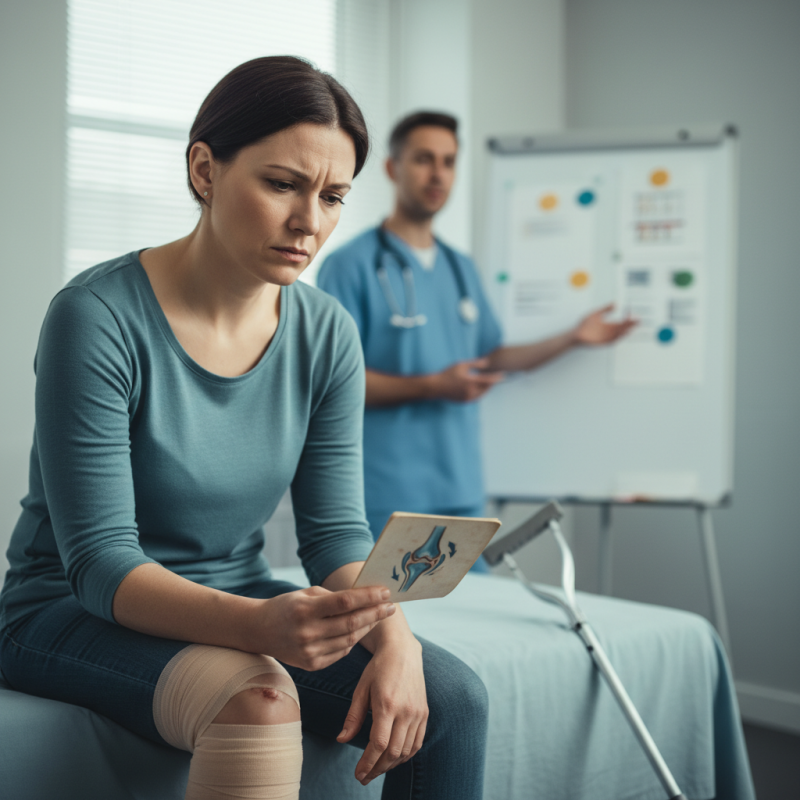
Experiencing pain after orthopedic surgery is common. Many patients feel surprised when their discomfort persists postoperatively. Understanding this phenomenon is crucial for managing expectations. Surgical procedures often involve trauma to tissues, which can take time to heal. As the body recovers, inflammation and sensitivity are common responses.
Managing post-surgical pain requires patience. It is essential to communicate openly with your healthcare provider. They can provide insight into what you should expect during recovery. Consider keeping a pain journal. Record your pain levels and activities. This information can help your provider adjust your pain management plan accordingly.
Here are a few tips to alleviate discomfort: Practice gentle movements to promote circulation. Incorporate stretching to relieve tension in surrounding muscles. Additionally, consider relaxation techniques like deep breathing or meditation. These practices can enhance your recovery experience. Remember, healing often has ups and downs. Reflecting on your progress is vital for staying positive.
Persistent pain after orthopedic surgery can be frustrating and disheartening. Studies reveal that
approximately 20% to 30% of patients experience ongoing pain after such procedures. This lingering discomfort may arise from several factors,
including scar tissue formation, nerve damage, or inadequate rehabilitation. Scar tissue can limit mobility and create discomfort, impacting recovery.
Nerve damage is another significant reason. It affects pain transmission, leading to chronic discomfort.
Research indicates that about 10% of patients may suffer from
complex regional pain syndrome (CRPS) post-surgery, complicating their healing process.
Additionally, psychological factors, such as anxiety or depression, can influence pain perception.
Notably, the American Academy of Orthopaedic Surgeons emphasizes the importance of addressing these psychological aspects in pain management.
Tips: Focus on post-operative rehabilitation.
Engaging in physical therapy can alleviate some pain causes. Address emotional wellbeing; consider speaking with a professional if anxiety arises.
Lastly, communicate openly with your healthcare provider. Clarifying your pain experiences can aid in tailoring your treatment effectively.
Post-surgery pain can be a frustrating experience, especially after orthopedic procedures. One significant factor influencing this pain is inflammation. After surgery, the body initiates an inflammatory response as part of the healing process. This response is essential for recovery. It helps to repair tissues and prevent infection. However, for some patients, this inflammation can become prolonged and contribute to ongoing pain.
The inflammatory process can lead to swelling, tenderness, and discomfort. Even when the surgical incision heals, internal inflammation may persist. This can result in persistent pain, making recovery feel slower than expected. Communication with healthcare providers is crucial at this stage. Understanding your body's signals can aid in managing pain effectively.
Sometimes, the approach to pain management may need adjustment. Over-the-counter medications might not be enough. Physical therapy could be beneficial, helping to reduce inflammation and enhance mobility. Engaging with your medical team about your pain levels and developing a tailored plan is vital. Such discussions can uncover specific strategies that address inflammation and promote healing, leading to a more sustainable recovery journey.
Orthopedic surgery can often bring relief, yet many patients experience lingering pain. Complications can arise post-surgery, impacting recovery. Research indicates that nearly 20% of patients report persistent pain after such procedures. Identifying the root causes is essential for effective management.
One common issue is scar tissue formation. Adhesions can develop around nerves and tissues, resulting in discomfort. A study published in the Journal of Bone and Joint Surgery highlighted that patients with significant scar tissue reported increased pain levels. Additionally, infections can occur, even in a sterile environment. Nearly 1-2% of orthopedic surgeries result in postoperative infections. This complication can delay healing and lead to chronic pain.
Improper rehabilitation is another significant factor. Inadequate physical therapy can hinder strength and flexibility, leaving patients vulnerable to pain. Data from the American Academy of Orthopaedic Surgeons shows that without proper follow-up care, up to 25% of patients suffer from reduced mobility post-surgery. Reflecting on these aspects is critical; understanding complications can empower patients in their recovery journey.
| Complication | Description | Symptoms | Potential Solutions |
|---|---|---|---|
| Infection | Bacterial infection at the surgical site. | Redness, swelling, fever, increased pain. | Antibiotics, possible additional surgery. |
| Nerve Damage | Injury to nearby nerves during surgery. | Numbness, tingling, persistent pain. | Pain management, physical therapy, possible nerve repair. |
| Scar Tissue Formation | Abnormal buildup of scar tissue at the surgical site. | Restricted movement, pain in region. | Physical therapy, corticosteroid injections. |
| Joint Instability | Weakness in the joint that was operated on. | Increased pain with movement, feeling of joint looseness. | Rehabilitation, brace support, further surgical intervention. |
| Blood Clots | Clots that can form in veins following surgery. | Swelling, warm feeling, pain in the leg. | Blood thinners, compression stockings. |
After orthopedic surgery, it’s common to experience ongoing pain. Understanding pain management is essential for recovery. Open communication with your healthcare provider can lead to better results. Discussing your pain intensity, type, and triggers helps tailor your pain management plan.
Explore various approaches to manage pain effectively. Physical therapy can enhance mobility and reduce discomfort. Gentle exercises, as recommended by your therapist, may strengthen muscles around the surgical site. Mindfulness techniques, such as deep breathing and meditation, can also be beneficial. These strategies can support your healing process and promote a sense of control.
Reflecting on your experience is crucial. Every individual’s pain journey is different. Journaling about your pain can help identify patterns and triggers. This insight can aid in discussions with your medical team. Remember, persistence and patience are key. Healing takes time, and it’s okay to seek adjustments to your pain management plan as needed.
: Experiencing pain is common after orthopedic surgery. It's often unexpected for many patients.
Surgical procedures cause trauma to tissues, leading to inflammation and sensitivity during recovery.
Open communication with your healthcare provider is essential for better pain management.
Yes, maintaining a pain journal can help assess patterns and adjust your pain management plan.
Gentle movements, stretching, and relaxation techniques like deep breathing can be helpful.
Yes, healing often involves fluctuations. Reflecting on progress helps maintain a positive outlook.
Physical therapy enhances mobility and reduces discomfort through tailored exercises for strength.
Mindfulness techniques, like meditation, help cultivate a sense of control and support healing.
Absolutely. It's important to adjust your pain management plan as your recovery progresses.
Reflecting helps you understand your unique pain journey and aids discussions with your healthcare team.
Post-surgical pain is a common experience for many patients following orthopedic surgery, leading to the question, "Why do I still have pain after orthopedic surgery?" Various factors can contribute to ongoing pain, including inflammation, which plays a significant role in the healing process. Additionally, complications such as infections or improper healing can result in lasting discomfort.
To address persistent pain, it is essential to identify its underlying causes and consider effective management strategies. Patients should work closely with their healthcare providers to explore options such as physical therapy, pain management techniques, and lifestyle modifications to enhance recovery and improve overall comfort. Understanding the complexities of post-surgical pain can help patients navigate their healing journey more effectively.
