Tandir Orthopedic Implants Tandir Orthopedic Implants

When Can I Safely Return to Work After Implant Surgery?

Time:2026-05-31 Author:Aria
0%

Deciding when to return to work after implant surgery can be tricky. Dr. Emily Grant, a renowned orthopedic surgeon, emphasizes, "Healing takes time, and everyone's body responds differently." This statement highlights the unique journey each patient faces post-surgery.

Implant surgery often involves significant recovery time. Factors such as age, overall health, and the type of implant can influence recovery. Some individuals may feel ready to return to work within weeks, while others might need months. Many patients encounter challenges such as pain, decreased mobility, or fatigue, which can impact their work readiness.

Understanding when you can safely return to work after implant surgery is crucial for a smooth transition. Rushing back too soon can hinder your recovery and lead to complications. Pay attention to your body's signals and consult your healthcare provider to determine the best timeline for you.
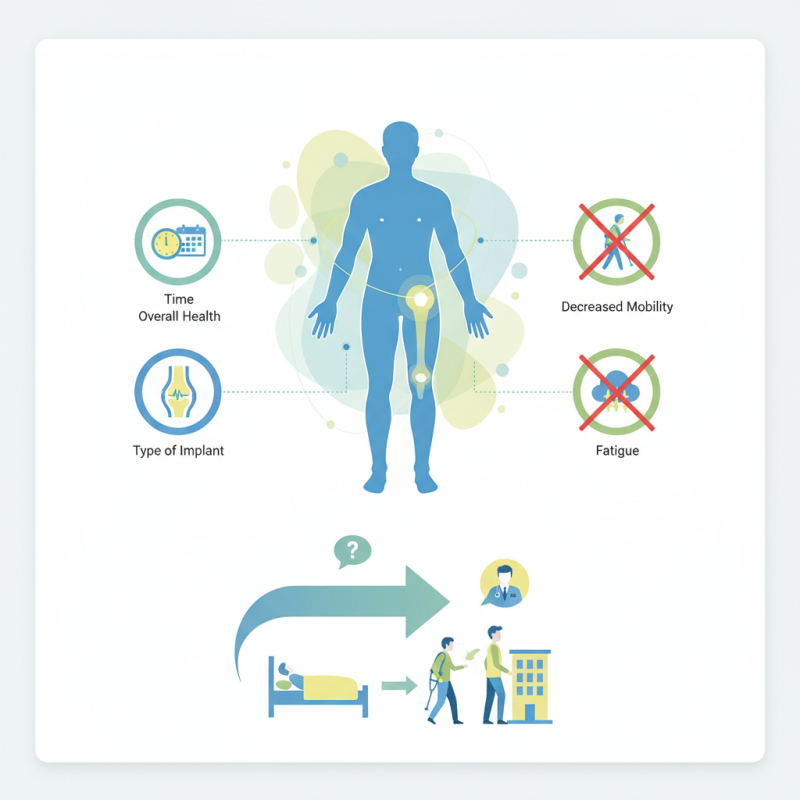
When Can I Safely Return to Work After Implant Surgery?

Understanding Implant Surgery Recovery Times and Factors

After implant surgery, recovery times can vary significantly. Understanding these factors helps determine when it's safe to resume work. Individual healing processes often differ. Age, overall health, and the complexity of the procedure affect recovery duration. Typically, minor procedures may allow a return to work in a week. In contrast, more extensive surgeries can take several weeks.

Physical activity levels also influence recovery. Engaging in heavy lifting or strenuous tasks too soon can hinder healing. Pay attention to your body's signals. Pain or swelling indicates that more rest is needed. It's crucial to follow your doctor's advice about activity limits. Patience is key. Some may wish to return to normal schedules quickly, but pushing too hard can result in setbacks.

Emotional factors come into play as well. Anxiety about returning can affect how quickly you feel ready. Staying in touch with your healthcare provider during recovery can be beneficial. They can offer reassurance and guidance tailored to your situation. Reflecting on the importance of proper recovery can lead to a smoother transition back to work. Remember, rushing can often lead to complications.

Typical Healing Duration After Implant Surgery: What to Expect

After undergoing implant surgery, healing time can vary significantly. Generally, initial healing takes about one to two weeks. During this period, the body repairs tissues around the implant site. Most patients can return to light activities after this timeframe. However, a full recovery may take several months, depending on individual health factors.

Studies indicate that around 30% of patients experience some complications post-surgery. This can delay their return to work. Factors influencing healing include age, overall health, and adherence to post-operative care instructions. Surgeons often recommend a follow-up appointment 1-2 weeks after surgery. This allows them to assess healing progress and address any issues.

Being aware that complications may arise is essential. Some patients report discomfort for weeks after the procedure. It's crucial to listen to your body and not rush back to work. Engaging in too much activity too soon can hinder the healing process, leading to longer recovery times. Prioritize rest and follow your healthcare provider's guidance closely.

Signs That Indicate You're Ready to Return to Work

After implant surgery, recognizing the signs that indicate your readiness to return to work is essential for a smooth recovery. According to a report from the American Academy of Orthopaedic Surgeons, around 87% of patients return to work within 6 weeks post-surgery. However, individual recovery rates vary significantly. It's crucial to listen to your body during the healing process.

One clear sign you are ready is the reduction of pain. If you can manage discomfort without opioids and can perform daily tasks without significant issues, you're on the right track. Another indicator is the ability to engage in light physical activities. Studies suggest that light activity can improve circulation and overall recovery, but pushing yourself too hard can lead to setbacks. Fatigue should also be monitored. A good rule of thumb is to avoid returning until you have consistent energy levels throughout the day.

Mental readiness plays a vital role, too. Anxiety or stress about re-entering the workplace can hinder your recovery. The Mayo Clinic notes that emotional well-being significantly impacts physical healing. If you feel confident and motivated, it may be a good time to re-evaluate your job duties. However, it's important to communicate with your employer about your limitations. Discussing adjustments can aid in a successful transition back to work.

Industry Guidelines on Returning to Work Post-Implant Surgery

Implant surgery can require a significant recovery period. According to the American Academy of Orthopaedic Surgeons, most patients can expect to return to work within 4 to 6 weeks after surgery. However, this timeframe can vary based on the type of implant, the patient's overall health, and the nature of their job. Manual laborers may need a longer recovery compared to those in sedentary roles.

A study in the Journal of Bone and Joint Surgery highlighted that 25% of patients experienced setbacks due to premature return to work. It's crucial to consider both physical and psychological readiness. Some patients feel pressured to resume work, but this can lead to complications like increased pain or even re-injury.

Communication with your healthcare provider is essential. They can offer tailored advice based on recovery progress. Monitoring symptoms such as swelling or discomfort is vital. Dismissing these signs may lead to longer recovery times and a detrimental impact on overall health. Being honest with yourself about your readiness can make a significant difference in your recovery journey.

Managing Pain and Activity Levels for a Safe Return to Work

After undergoing implant surgery, managing pain and activity levels is crucial for a safe return to work. Understanding your body’s signals is key. Most patients experience some pain and swelling in the initial days post-surgery. Pain management can vary. It's important to follow your doctor’s guidelines and use prescribed medications judiciously. Keeping a pain diary can help track your recovery progress.

Resuming normal activities too soon can lead to complications. Listen to your body. If you feel excessive pain or fatigue, it’s a sign to slow down. Light activities, like walking, can be beneficial. Gradually increasing your activity level is critical. Some patients return to work within a week, while others may need several weeks. Job tasks that require heavy lifting or intense physical activity may need to wait.

Communicating with your employer about your recovery is also important. They may provide accommodations to help ease your workload. Reflecting on your individual needs can help you make informed decisions. Aim to prioritize your health while balancing your work responsibilities. Recognizing that everyone's recovery journey is different can help set realistic expectations.

When Can I Safely Return to Work After Implant Surgery? - Managing Pain and Activity Levels for a Safe Return to Work

Post-Surgery Day Expected Pain Level (1-10) Recommended Activity Level Return to Work Status
1-3 Days 7-10 Rest, limited movement Not cleared for work
4-7 Days 5-7 Light activities Possible remote work
8-14 Days 3-5 Moderate activities, avoid strenuous tasks Gradual return possible
15-30 Days 1-3 Normal activities Cleared for full-time work

FAQS

: What is the typical healing time after implant surgery?

: Initial healing usually takes one to two weeks, but full recovery may take several months.

How soon can I return to light activities after the surgery?

Most patients can return to light activities after about one to two weeks of healing.

Are there complications that can affect my recovery?

Yes, around 30% of patients experience complications, potentially delaying their recovery time.

How long does it typically take to return to work after the surgery?

Many patients can return to work within four to six weeks, depending on their health and job nature.

Can returning to work too soon affect my recovery?

Yes, returning too early may lead to complications or increased pain, requiring a longer recovery.

What influences the healing process after implant surgery?

Age, overall health, and adherence to post-operative care all play significant roles in healing.

Should I follow up with my healthcare provider after surgery?

Yes, a follow-up appointment within one to two weeks is essential to assess healing progress.

What signs should I monitor during my recovery?

Symptoms like swelling and discomfort should be monitored closely to avoid setbacks.

How can I know if I'm ready to return to work?

Reflecting on your physical and psychological readiness is key to a successful return.

What should I prioritize during the healing process?

Prioritize rest and follow your healthcare provider’s guidance closely to promote healing.

Conclusion

When considering "When can I return to work after implant surgery," it's essential to understand various recovery times and influencing factors. Typically, healing durations can vary depending on the individual's health and the complexity of the procedure, with most patients expecting to take at least a few days to a couple of weeks off work.

Signs that indicate readiness to return include diminished pain, ability to perform daily activities without discomfort, and clearance from your healthcare provider. Following industry guidelines can offer valuable insights into when it's safe to resume work. Proper management of pain and activities plays a crucial role in ensuring a smooth transition back to work, ultimately supporting a full recovery and minimizing the risk of complications.

Aria

Aria

Aria is a dedicated marketing professional with a deep passion for innovative strategies and a keen understanding of our company's product offerings. With a wealth of experience in the industry, Aria excels at crafting engaging content that highlights the unique features and benefits of our......