Tandir Orthopedic Implants
Tandir Orthopedic Implants
Tandir Orthopedic Implants
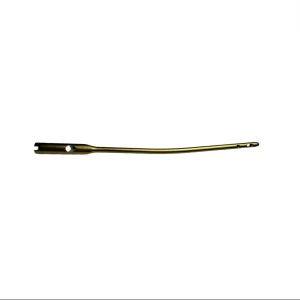
Engineered with medical-grade titanium and high-grade stainless steel to address critical diaphyseal fractures and rotational instability in high-stress clinical environments.
High tensile strength titanium alloy designed with multiple locking options for complex long bone reconstruction.
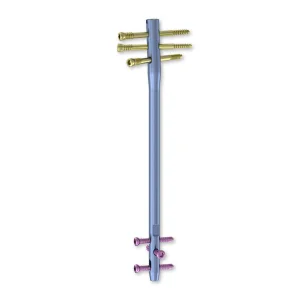
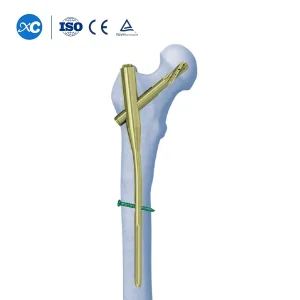
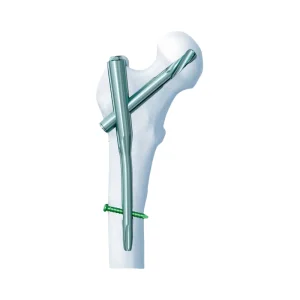
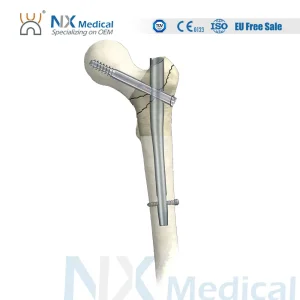
Optimal solution for unstable trochanteric fractures, maximizing load-bearing capability and preventing cut-out.
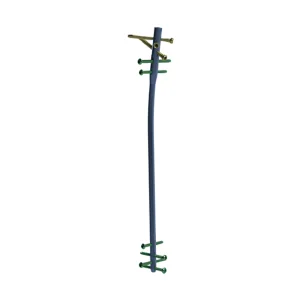
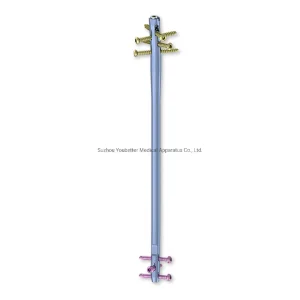
Optimized design for suprapatellar insertion techniques, protecting patellofemoral cartilage and optimizing alignment.
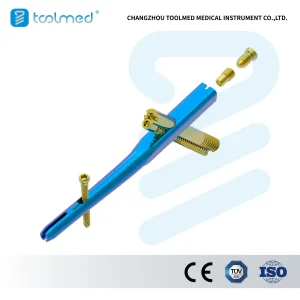
Comparative mechanical configuration options matching regional clinical resources and patient physiology profile.
Kaédi, situated along the Senegal River in southern Mauritania, serves as the administrative and medical hub of the Gorgol Region. In remote regions, orthopedic trauma care faces distinct environmental and structural hurdles. Regional facilities, such as the Centre Hospitalier de Kaédi, treat critical bone fractures resulting from farming accidents, industrial operations, and road traffic incidents along regional highways.
For orthopedic surgeons operating in remote locations, access to reliable internal fixation devices is paramount. Given the limited options for revision surgeries in southern Mauritania, initial stabilization must be precise and long-lasting. Beijing Tandir Medical Device Co., Ltd. designs and manufactures intramedullary nail systems that address these challenges, ensuring high torsional stability, biological integration, and streamlined instrumentation that reduces operating time under challenging conditions.
Environmental factors like high ambient heat, dust, and varying humidity levels place demands on sterile packaging and implant preservation. Tandir’s intramedullary nails are packaged in advanced, multi-layer protective barriers that safeguard sterilization integrity, ensuring that implants arrive in Kaédi surgical suites in pristine condition.
Modern intramedullary nailing relies on precise implant design and patient-specific material dynamics. Our research and development pipeline integrates advanced mechanical principles to reduce stress shielding, protect regional bone vascularity, and accelerate clinical healing cycles.
We offer implants in both Grade 5 Titanium (Ti-6Al-4V Extra Low Interstitial) and 316L Surgical Stainless Steel. Titanium’s lower elastic modulus closer matches cortical bone, minimizing stress shielding. Conversely, 316L Stainless Steel provides high yield strength, suitable for complex reconstruction.
Our PFNA systems utilize an integrated helical blade that compacts cancellous bone during insertion. This provides superior rotational and angular stability compared to traditional dual-screw systems, significantly reducing the incidence of cut-out in osteoporotic bones.
By facilitating a suprapatellar approach in a semi-extended position, our tibial nail systems alleviate tension on the quadriceps mechanism and patellar tendon. This reduces post-operative knee pain and allows for simplified fluoroscopic imaging.
| Implant Category | Material Class | Anatomical Indication | Locking Mechanism Options | Sterility Certification |
|---|---|---|---|---|
| Proximal Femoral Nail (PFNA) | Titanium Alloy / 316L Stainless Steel | Trochanteric & Subtrochanteric Fractures | Helical Blade / Interlocking Lag Screws | ISO 11137 / EO Sterile (Optional) |
| Expert Tibial Nail System | Titanium Alloy (Ti-6Al-4V ELI) | Proximal, Diaphyseal & Distal Tibia | Multi-directional Interlocking Screws | ISO 11137 / EO Sterile (Optional) |
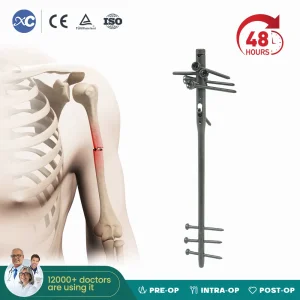
| Humeral Interlocking Nail | Titanium Alloy | Humeral Shaft Fractures & Non-unions | Standard/Multi-lock proximal configurations | ISO 11137 / EO Sterile (Optional) |
Established in 2022, Beijing Tandir Medical Device Co., Ltd. is a professional supplier of medical equipment, medical consumables, and orthopedic implants, dedicated to providing high-quality solutions for the global market. Our strategic location enables efficient logistics, and we maintain close cooperation with factories equipped with advanced production facilities. We adhere to strict international quality standards and focus on innovation to meet the evolving needs of our customers.
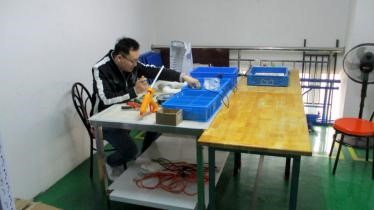
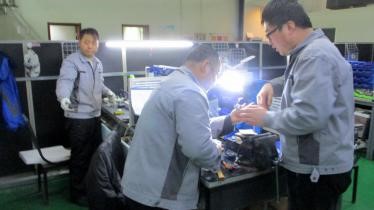
Our team combines industry expertise with technical precision, supported by partner factories with skilled front-line personnel. From R&D to production and quality control, we collaborate closely to ensure our products meet CE and ISO certification requirements. Customer-centric service and timely delivery are core values embedded in our daily operations.

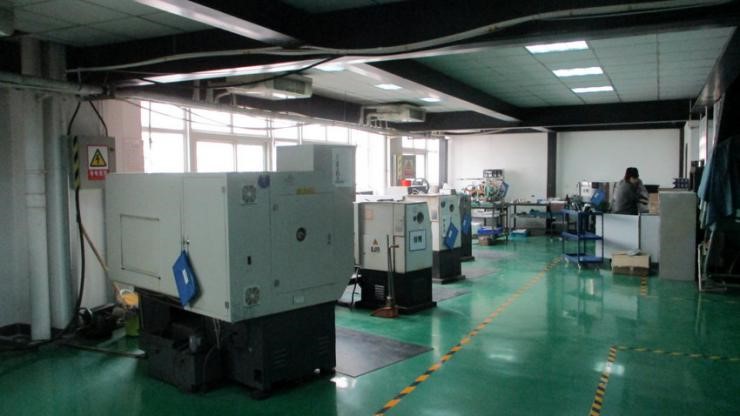
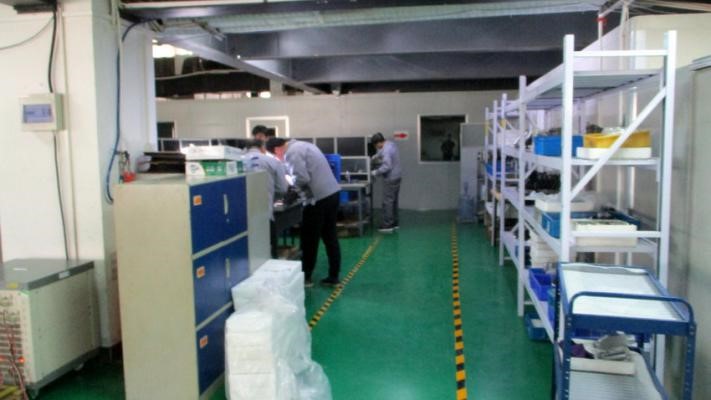
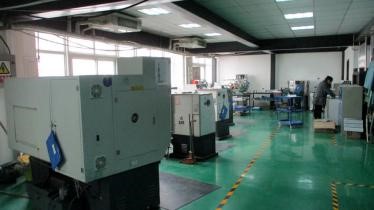
Our partner manufacturing facilities operate under a strict quality management system based on Industry 4.0 standards. Advanced multi-axis CNC machines ensure the geometric accuracy of complex screw holes, nail bends, and interlocking dynamics. Through computerized material testing and automated surface finishing processes, every intramedullary nail is manufactured to precise technical specifications.
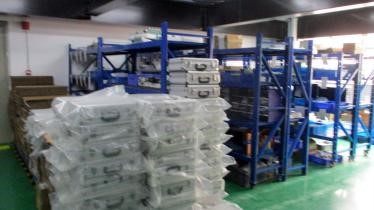
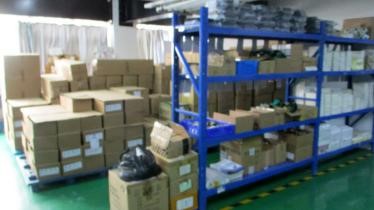
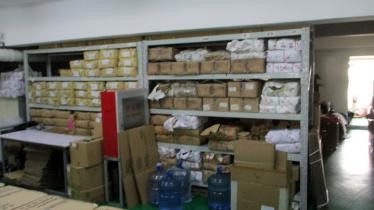
Importing orthopedic implants into Mauritania requires adherence to local medical import guidelines. Beijing Tandir provides comprehensive document support—including Certificate of Free Sale (CFS), CE Certification, ISO 13485 quality documentation, and complete testing dossiers. This documentation streamlines customs clearance and regional registration with the Direction de la Pharmacie et des Laboratoires (DPL) in Mauritania.
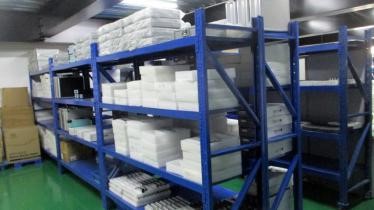
Transporting fragile medical components from international production hubs to Kaédi poses geographical challenges. We coordinate with reliable transit partners handling air cargo to Nouakchott-Oumtounsy International Airport, combined with secure overland transit to Kaédi via the Route de l'Espoir. Our protective packaging prevents damage during handling and transport.
Tandir’s commitment to the Kaédi market extends beyond supplying products. We offer training documentation, sterilization manuals, and specialized instrument kits designed to optimize implant performance. This operational support reduces the learning curve for trauma center staff and improves patient outcomes in local clinics.
Explore our wider range of medical-grade intramedullary nails, engineered to meet international clinical standards and address diverse orthopedic trauma scenarios.
Engineered to stabilize complex subtrochanteric fractures, restoring anatomy and load distribution.
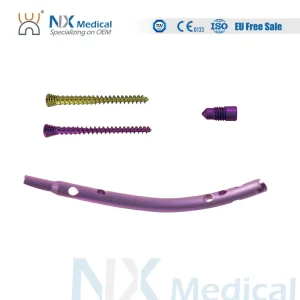
Color-anodized titanium nails that simplify component sizing and intraoperative identification.
Features multiple locking configurations to address complex metaphyseal tibial fractures.
Incorporates active compression and rotational control for unstable intertrochanteric fractures.
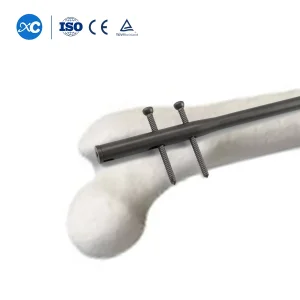
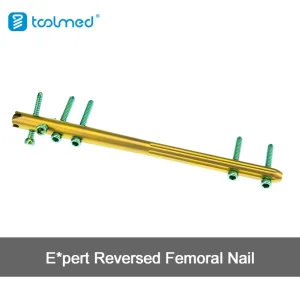
Optimized nail geometry designed to simplify distal locking and facilitate stable retrograde insertion.
Cost-effective anti-rotational design optimized for hospitals seeking balanced budget solutions.
Combines cost-efficiency with high-precision proximal targeting instrumentation.
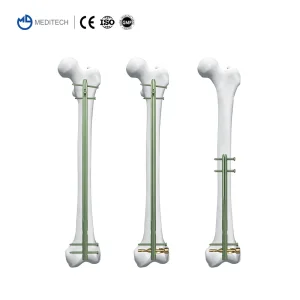
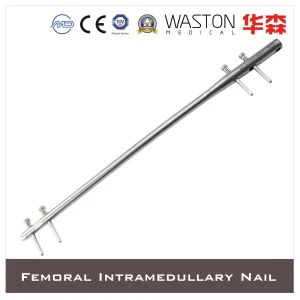
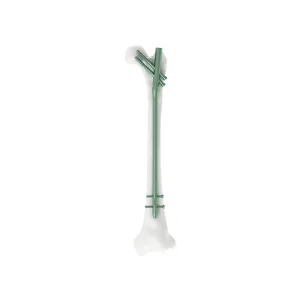
Comprehensive trauma solution designed for rapid surgical stabilization of femoral shaft fractures.
To ensure complete coverage of orthopedic trauma cases in Mauritania, we offer these specialty nail systems designed for specialized anatomical indications.
High-grade anatomical femoral curve ensures natural match during subtrochanteric nailing procedures.
Optimized for humeral shaft fractures, prioritizing rotator cuff protection and secure distal locking.
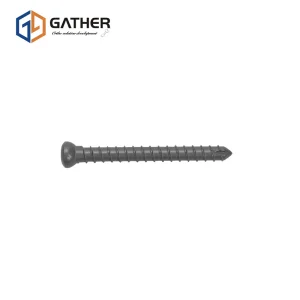
Multiple proximal screw patterns allow stable fixation of complex multi-fragment fractures.
Supplied non-sterile to accommodate regional autoclave protocols and reduce purchase costs.
Key information regarding import regulations, material specifications, and sterilization compliance for the Kaédi market.
We supply a complete export documentation package required by the Direction de la Pharmacie et des Laboratoires (DPL) and Mauritanian customs, including Certificate of Free Sale (CFS), CE Certification, ISO 13485 Quality Management System Certificate, detailed materials testing reports (confirming Ti-6Al-4V ELI composition), and commercial packing lists showing shipment traceability.
Titanium alloy (Grade 5, ELI version) has a lower elastic modulus (approx. 110 GPa) compared to 316L Stainless Steel (approx. 200 GPa). This closer match to natural human bone (approx. 10–40 GPa) reduces stress shielding, promotes callus formation, and lowers the risk of implant revision—a key benefit for remote hospitals where revision surgeries are challenging.
Our sterile implants are packaged in cleanrooms (Class 10,000 / ISO 7) using dual-layer medical Tyvek bags. This packaging acts as an effective barrier against dust contamination and moisture ingress, preserving sterility under high ambient temperatures during transit and storage.
Yes. We provide complete, reusable instrument sets corresponding to each nail system (femoral, tibial, and humeral). These kits are made of medical-grade stainless steel and silicone handles, designed for autoclave sterilization. They include direct targeting devices to assist surgeons in distal locking without excessive reliance on fluoroscopy.
To support local healthcare networks, we offer flexible MOQ structures for hospital groups and distributors. Typical production and packing lead times range from 7 to 15 days, with transit times to Nouakchott taking 5 to 10 days via air cargo, followed by regional road transit to Kaédi.
Get in touch with our engineering and procurement team for custom product configurations, volume pricing, and localized regulatory support for the Mauritanian market.
Send Inquiry Now